All-inclusive Commercial Cleaning Services for Enterprises
Companies face the essential challenge of sustaining a productive and clean setting. Commercial cleaning solutions of considerable scope play an important role in this undertaking, tackling not only aesthetic concerns but also productivity and wellness. The selection of a reliable cleaning partner can significantly influence employee morale and overall operations. Understanding the key benefits and essential factors for selecting a service provider is vital. What considerations should companies consider to guarantee they make the right choice?
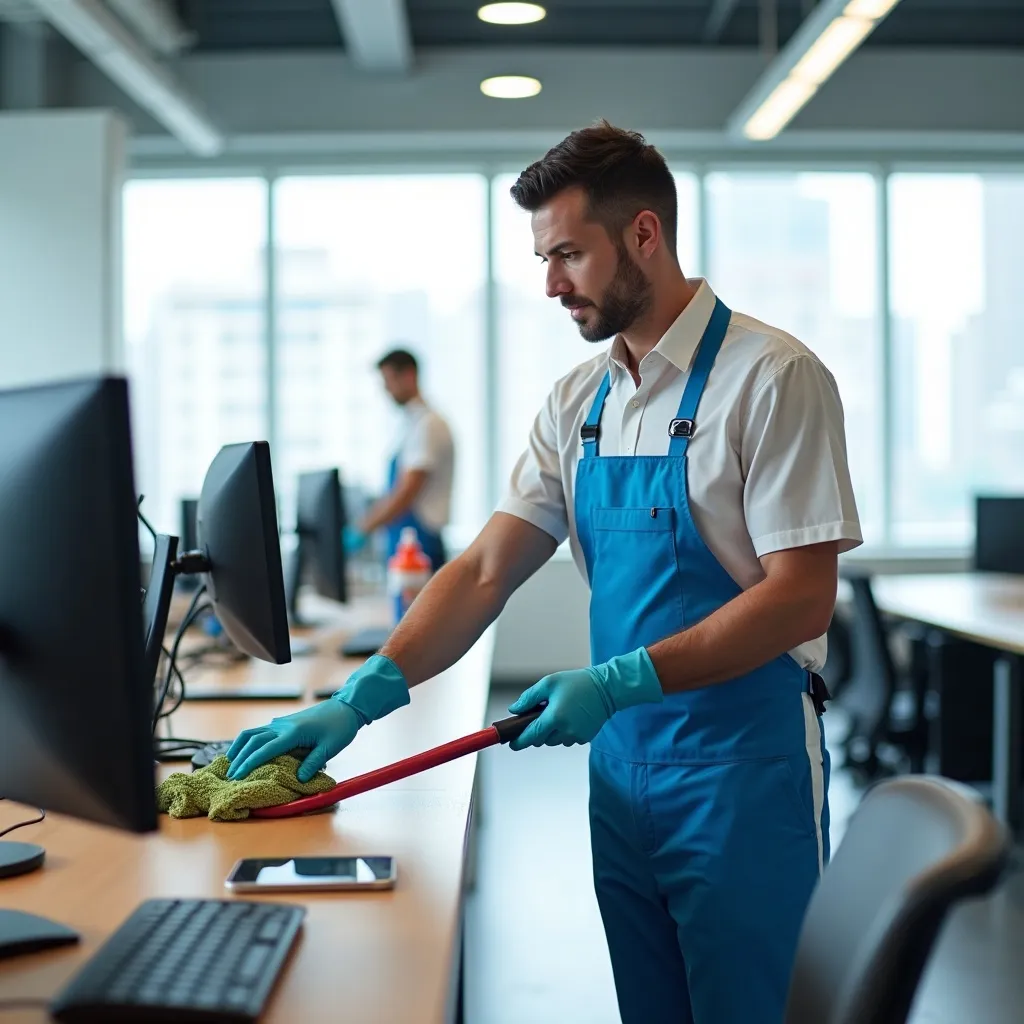
Main Advantages of Business Cleaning Solutions
The advantages of commercial cleaning solutions extend far beyond mere aesthetics. Mainly, these services improve workplace efficiency; a clean environment allows employees to focus better, minimizing interruptions associated with clutter and grime. Additionally, commercial cleaning ensures that facilities are preserved using professional-grade equipment and techniques, resulting in superior cleanliness levels that internal cleaning staff may not achieve.
Additionally, organizations gain benefits from the expertise that cleaning professionals deliver, as they are skilled to manage various surfaces and materials safely and efficiently. This expert knowledge reduces the risk of damage to property and increases the longevity of furnishings and equipment.
Furthermore, regular cleaning can greatly enhance air quality indoors, encouraging better health for staff and reducing absenteeism due to sickness. Overall, investing in professional cleaning solutions creates a healthier and more hygienic, increasingly productive workplace while saving companies resources and time that can be directed to other areas.
Workplace Hygiene: Why It's Essential
Though many may dismiss its importance, workplace cleanliness is vital for building a positive and streamlined environment. A clean workspace not only boosts the aesthetic quality but also strengthens employee motivation and productivity. Research reveals that employees are more energized and engaged in clean surroundings, reducing distractions and fostering a sense of competence.
Moreover, cleanliness plays an crucial role in well-being and security. Regular sanitizing helps minimize the spread of bacteria and irritants, thereby decreasing absenteeism due to illness. This is particularly important in shared spaces, where the potential for infection is heightened.
In addition, preserving a spotless workplace can strengthen the company's reputation, as clients evaluation often create initial assessments based on their observations of the workplace. Ultimately, prioritizing cleanliness is not simply a matter of aesthetics but an important factor in workplace productivity and employee satisfaction.
Offerings Delivered
A extensive selection of services is a key factor in assessing a business cleaning company. Businesses should consider companies that provide customized cleaning services adapted to their particular requirements. Vital services include office cleaning services, carpet and upholstery care, floor care, and window cleaning. Additionally, dedicated offerings such as deep cleaning, post-construction cleaning, and sanitization are important, particularly in today's hygiene-focused environment. Providers should additionally assess the flexibility of service schedules, making sure that maintenance can occur after hours or weekends to reduce disruption. Furthermore, a trusted cleaning company should offer dependable client support and transparent pricing. By evaluating these offerings, organizations can make informed decisions that correspond with their business needs and standards of cleanliness.
Eco-Conscious Initiatives
How can businesses guarantee a cleaner environment while maintaining their dedication to sustainability? Choosing a commercial cleaning company that emphasizes environmentally conscious methods is essential. These companies employ sustainable cleaning solutions, minimizing harmful chemicals that can impact air purity and the ecosystem. Additionally, they implement techniques such as microfiber cleaning and efficient vacuum systems, which decrease water consumption and energy consumption.
Moreover, a commitment to waste management and recycling reflects a cleaning company's commitment to sustainable practices. Organizations should inquire about professional development and certifications pertaining to green cleaning methods. By choosing a service provider that matches environmental values, organizations not only enhance their office environment but also contribute to a healthier planet, building a responsible corporate reputation.
Various Specialized Cleaning Services
Numerous expert cleaning services serve specific needs across multiple industries, guaranteeing that specific spaces are kept to the highest standards. For instance, medical facilities demand rigorous cleaning procedures to prevent infections, prompting services that focus on biohazard cleanup and sterile environments. Likewise, industrial facilities often require industrial cleaning, which encompasses heavy machinery and hazardous waste management.
In the hospitality sector, dedicated cleaning professionals promise that hotels and restaurants satisfy hygiene and aesthetic standards, often encompassing comprehensive cleaning and textile maintenance. Learning facilities also benefit from tailored services that respond to the need for safe and clean learning environments, focusing on areas like classrooms and restrooms. Moreover, building cleanup services are indispensable for clearing refuse and getting areas ready for use. In total, dedicated cleaning professionals play a significant role in maintaining cleanliness and safety across diverse sectors, adapting techniques to meet specific operational requirements.
How routinely Should You reserve Cleaning Services?
Determining the frequency of cleaning services depends on various factors, including the type of facility, foot traffic, and particular industry needs. For example, busy areas such as retail stores or medical facilities often required daily cleaning to maintain hygiene and look. Conversely, offices with lower foot traffic may require services on a weekly or bi-weekly basis.
Further, businesses with demanding regulatory standards, such as food production or healthcare, may demand more frequent cleaning to satisfy safety protocols. Time-of-year variations can equally influence scheduling; for example, during peak business periods, increased cleaning may be warranted to serve larger crowds.
Ultimately, organizations should assess their unique needs and coordinate with cleaning service providers to establish an suitable schedule. Regular evaluations can validate that the frequency of cleaning meets workplace demands, supporting a clean and safe environment for employees and clients alike.
Cost for Cleaning Service
The financial outlays associated with commercial cleaning services can differ widely according to several factors. Critical elements shaping pricing include the area dimensions, service frequency, and specific tasks necessary. Additionally, package options can additionally impact overall costs, allowing businesses to tailor their cleaning needs to their financial plan.
Elements Determining Price
Knowing the main factors that affect cleaning service costs allows clients to make better decisions. Several elements contribute to pricing, such as the size of the space, cleaning frequency, and specific services needed. Larger spaces typically carry higher costs because of the added labor and materials required. Also, the form of cleaning—standard, deep, or specialized—can greatly impact the pricing. The geographic location also plays a role since labor rates and operational costs differ by region. Additionally, contract length may influence pricing; longer contracts often result in discounted rates. Clients should keep in mind the reputation and experience of the cleaning service provider, as established companies may charge premium rates for their expertise and reliability.
Guidelines for Maintaining Neatness
Keeping hygiene in commercial spaces demands consistent effort and strategic planning. Businesses can implement a daily cleaning schedule, assigning specific tasks to staff to guarantee that high-traffic areas are consistently maintained. Establishing a defined system for garbage management is crucial; bins should be emptied frequently to prevent overflow and unpleasant odors.
Utilizing organizational lists can maintain responsibility within employees, verifying that cleaning assignments are not neglected. In addition, investing in superior cleaning products and equipment can enhance operational performance and results. Regular deep cleaning sessions must be arranged, focusing on areas often neglected, like carpet surfaces and upholstered items.
Establishing a framework of cleanliness among employees is also important. Straightforward habits, such as keeping workspaces organized and sanitizing personal items, can foster a more sanitary environment. By stressing these tactics, businesses can preserve a pristine atmosphere that facilitates employee well-being and productivity.
Commonly Inquired Questions
Which Licenses Should Business Cleaning Providers Maintain
A commercial cleaning service should have certifications such as OSHA compliance, Green Seal for eco-conscious operations, and specific training in disease prevention. These qualifications ensure safety, excellence, and compliance with industry standards.
Do Professional Cleaners Support Special Requests or Schedules?
Many housekeeping providers can adapt to custom demands or schedules, adjusting their offerings to address specific client needs. Versatility often enhances client satisfaction and guarantees that maintenance work align with individual business operations and preferences.
Do eco-conscious cleaning solutions exist?
Yes, green cleaning products are available. Many cleaning services emphasize sustainability, providing a selection of environmentally safe alternatives that efficiently remove dirt while lessening impact to the natural world, ensuring a safer environment for residents and the world.
What Happens if Damage Occurs During The Cleaning Process?
If harm takes place during the cleaning process, the service professional generally evaluates the circumstances, records the event, and may provide compensation or repair services. Liability often relies on the terms specified in the contract between parties involved.
In What Ways Are Cleaning Staff Trained and Vetted?
Cleaning staff participate in thorough training programs focusing on methods, safety procedures, and equipment operation. Additionally, they are vetted through background verification and referrals, guaranteeing reliability and professionalism in their cleaning practices and interactions.